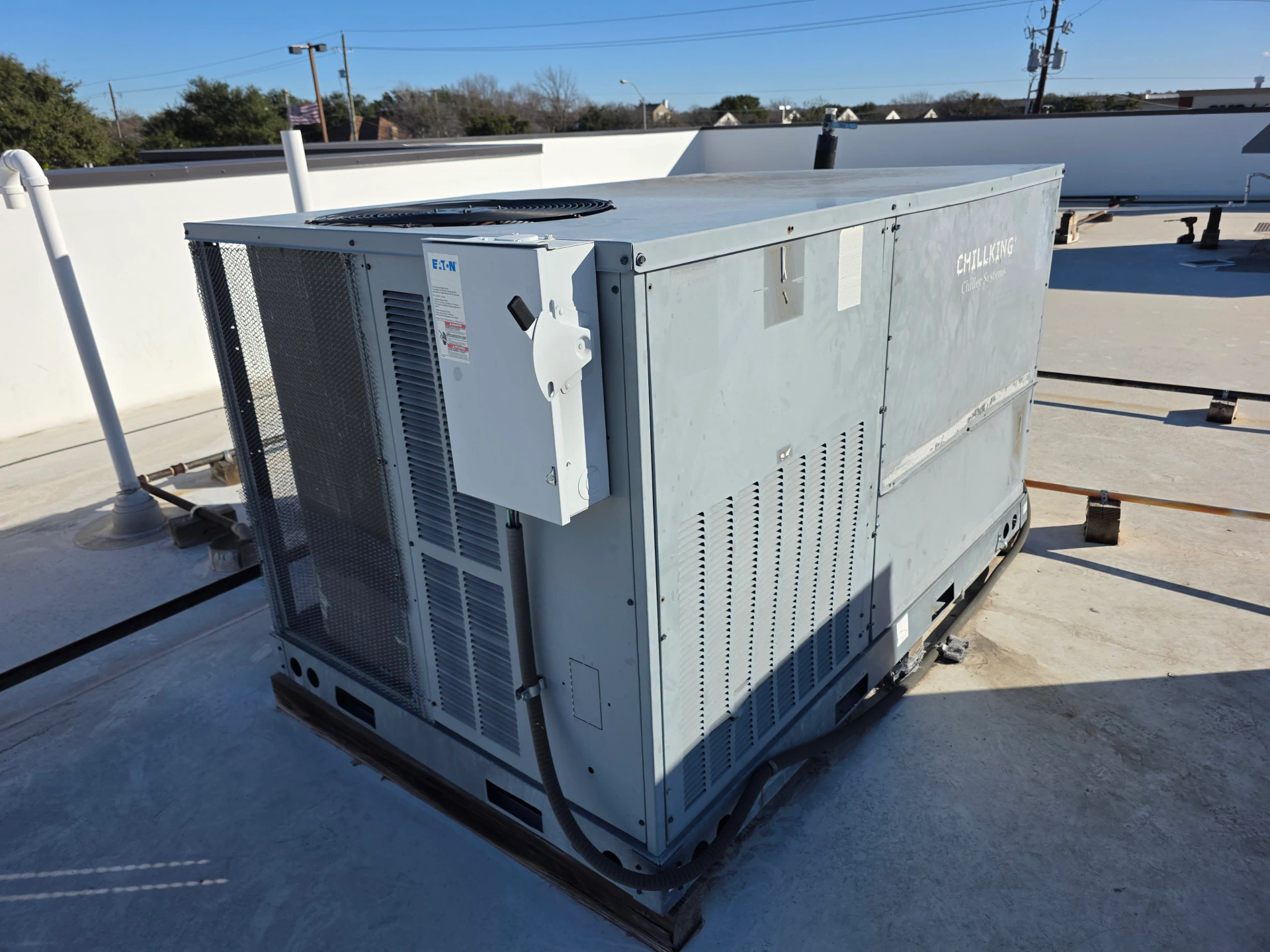
Why HVAC Maintenance Matters
HVAC systems operate almost constantly during peak heating and cooling seasons. Over time, dirt, dust, debris, and normal wear can reduce performance and place additional strain on components.
Regular home HVAC maintenance offers several major benefits:
- Improves energy efficiency
- Lowers utility bills
- Prevents costly breakdowns
- Extends equipment lifespan
- Improves indoor air quality
- Keeps heating and cooling performance consistent
- Helps identify minor issues before they become major repairs
Ignoring maintenance can lead to reduced airflow, frozen coils, overheating, clogged drains, and even complete system failure. A proper maintenance routine helps homeowners avoid these common issues.
HVAC Maintenance Checklist for Homeowners
A complete HVAC maintenance checklist includes both monthly and seasonal tasks. Some maintenance items are simple enough for homeowners to handle, while others should be completed by licensed HVAC professionals.
1. Replace or Clean Air Filters
One of the most important steps in any HVAC preventative maintenance plan is changing the air filter regularly.
Dirty filters restrict airflow, force the system to work harder, and reduce indoor air quality. In severe cases, clogged filters can cause overheating or frozen evaporator coils.
Filter Maintenance Tips
- Check filters every month
- Replace disposable filters every 1–3 months
- Clean reusable filters according to manufacturer instructions
- Replace filters more often if you have pets or allergies
Clean filters help improve airflow, system efficiency, and overall comfort.
2. Inspect the Thermostat
Your thermostat controls how efficiently your HVAC system operates. Incorrect settings or faulty calibration can waste energy and affect comfort levels.
Thermostat Checklist
- Verify temperature settings
- Test heating and cooling modes
- Replace thermostat batteries if needed
- Upgrade to a programmable or smart thermostat for improved efficiency
Smart thermostats can help reduce energy usage by automatically adjusting temperatures based on your schedule.
3. Clean Air Vents and Registers
Dust and debris often collect inside air vents and registers, restricting airflow throughout the home.
Vent Cleaning Tasks
- Vacuum supply and return vents
- Remove dust buildup from grilles
- Ensure vents are not blocked by furniture or curtains
- Check for uneven airflow in rooms
Good airflow helps maintain even temperatures and reduces strain on the HVAC system.
4. Inspect Outdoor HVAC Units
Outdoor condenser units are exposed to dirt, leaves, grass clippings, and weather conditions throughout the year.
Outdoor Unit Maintenance
- Remove leaves and debris around the unit
- Keep at least two feet of clearance around the condenser
- Gently clean condenser fins with a hose
- Inspect for visible damage or bent fins
Blocked airflow around outdoor units reduces cooling efficiency and increases system workload.
5. Check Refrigerant Lines
Refrigerant lines play a major role in cooling performance. Damaged insulation or leaks can reduce efficiency and cooling capacity.
Refrigerant Line Inspection
- Check insulation for cracks or wear
- Look for visible signs of refrigerant leaks
- Monitor cooling performance for unusual changes
Low refrigerant levels should always be handled by a licensed HVAC technician.
6. Clean the Condensate Drain Line
Air conditioning systems produce condensation that drains through a condensate line. If the drain becomes clogged, it can lead to water damage and mold growth.
Drain Line Maintenance
- Inspect for standing water
- Flush the drain line periodically
- Remove algae or debris buildup
- Check the drain pan for leaks
Keeping the drain line clear helps prevent moisture-related problems inside the home.
7. Inspect Electrical Components
Electrical issues are one of the leading causes of HVAC system failure.
Electrical Inspection Checklist
- Check visible wiring connections
- Listen for buzzing or unusual noises
- Inspect circuit breakers
- Watch for signs of overheating
Electrical repairs should always be handled by qualified professionals to ensure safety.
8. Lubricate Moving Parts
Some HVAC systems contain motors and moving parts that require periodic lubrication.
Lubrication Tasks
- Inspect motor bearings
- Lubricate moving components if applicable
- Listen for squealing or grinding noises
Proper lubrication reduces friction and helps prevent premature wear.
9. Test System Performance
Performance testing is an important part of any HVAC inspection checklist.
System Performance Checks
- Test heating and cooling cycles
- Measure airflow consistency
- Monitor energy usage changes
- Listen for unusual noises
- Verify the system starts and shuts off properly
Unusual sounds, weak airflow, or inconsistent temperatures often indicate developing issues that should be addressed early.
10. Schedule Professional HVAC Maintenance
While homeowners can handle many maintenance tasks, professional inspections remain essential.
Licensed HVAC technicians perform a more detailed HVAC tune-up checklist that includes:
- Inspecting internal components
- Testing refrigerant levels
- Cleaning evaporator and condenser coils
- Measuring airflow and system pressure
- Calibrating thermostats
- Checking safety controls
- Identifying worn parts
Professional maintenance helps ensure the entire system operates safely and efficiently.
Seasonal HVAC Maintenance Tips
Different seasons place different demands on HVAC systems. Seasonal maintenance helps prepare your equipment for changing temperatures.
Spring and Summer Maintenance
Before cooling season begins:
- Replace air filters
- Clean outdoor units
- Test air conditioning performance
- Inspect refrigerant lines
- Clear condensate drains
Fall and Winter Maintenance
Before heating season begins:
- Inspect furnace components
- Test heating performance
- Clean vents and registers
- Replace filters
- Check carbon monoxide detectors
Seasonal preparation reduces the risk of breakdowns during peak usage periods.
Common Signs Your HVAC System Needs Service
Even with regular home HVAC maintenance, systems may eventually require repairs.
Watch for these warning signs:
- Weak airflow
- Uneven temperatures
- Unusual odors
- Loud noises
- Higher energy bills
- Frequent cycling
- Poor humidity control
Addressing problems early can prevent more expensive repairs later.
Benefits of HVAC Preventative Maintenance
A strong HVAC preventative maintenance routine saves homeowners both time and money over the long term.
Key Benefits Include:
- Lower monthly energy costs
- Fewer emergency repairs
- Improved comfort
- Better indoor air quality
- Longer equipment lifespan
- Reduced system strain
- More reliable heating and cooling
Routine maintenance is far less expensive than replacing major HVAC components after neglect.
Final Thoughts
Following a complete HVAC maintenance checklist is one of the best ways to keep your heating and cooling system operating efficiently year-round. From replacing filters and cleaning vents to scheduling professional inspections, regular maintenance helps homeowners avoid costly breakdowns and extend the life of their HVAC equipment.
This step-by-step guide makes it easier to stay organized with essential HVAC maintenance tips, seasonal inspections, and preventative care. By staying proactive with HVAC preventative maintenance, homeowners can improve comfort, lower energy costs, and maintain reliable indoor temperatures throughout every season.
If you want maximum system performance and peace of mind, combining regular homeowner maintenance with professional HVAC service is the best long-term strategy for protecting your home comfort system.